
Cinematic vs documentary wedding film editing is the choice between two ways of telling the story of a wedding — one shaped like a film, one faithful to the day as it happened. Both are made in the edit, from the same footage, and the right answer depends on what a couple wants to feel when they watch it back. Here is how the two differ, and how to choose.
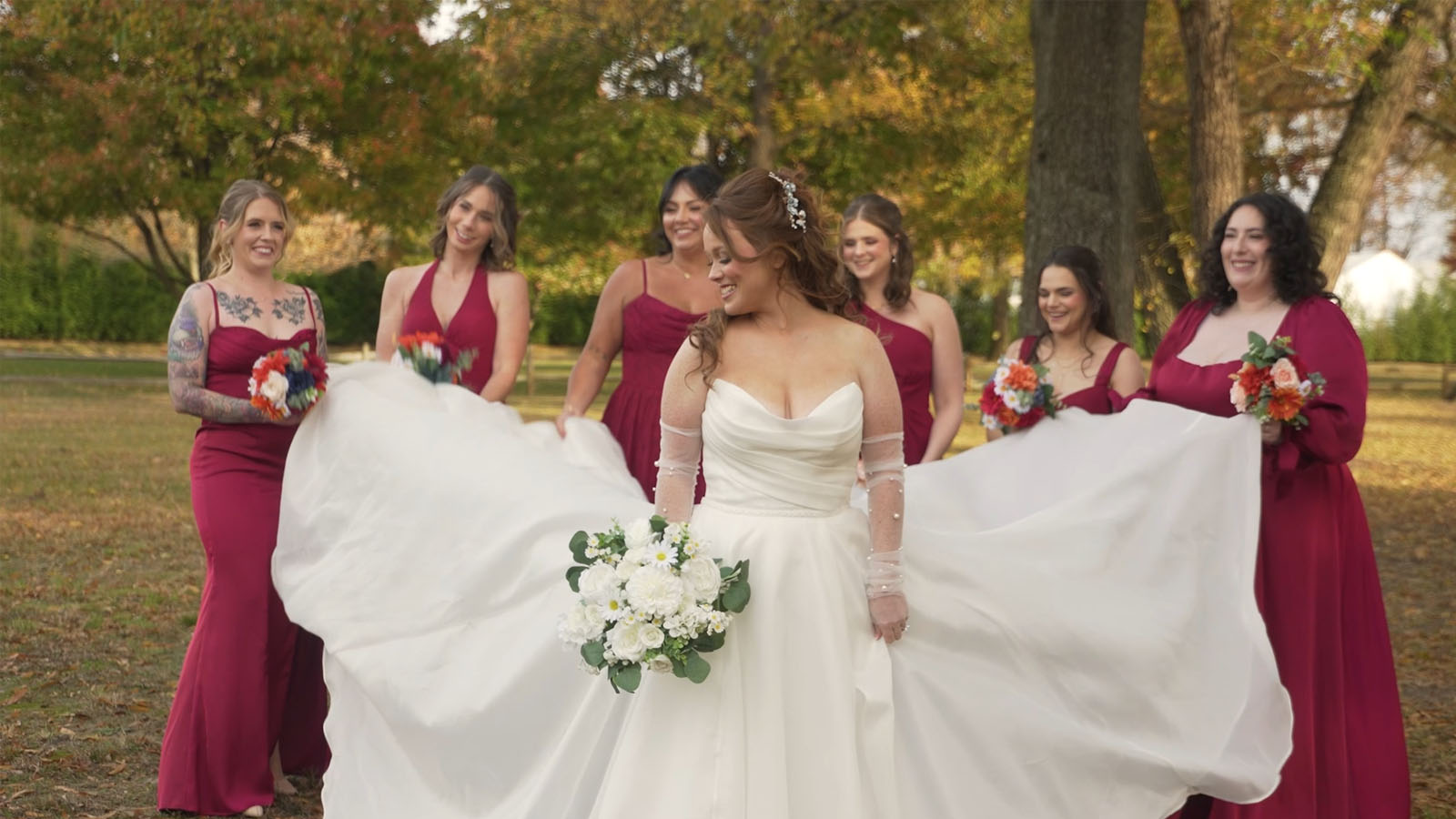
Two ways to cut the same day
Every wedding can be edited as a cinematic film or a documentary record — or both. The footage is the same; what changes is the intent of the edit. A cinematic cut shapes the day into a story with structure and mood; a documentary cut preserves it in order, as it unfolded. Neither is better; they answer different questions. Many studios offer one or the other as a house style; we treat the choice as the couple’s, not ours.
Cinematic wedding film editing
Cinematic editing treats the wedding like a short film. The edit finds a through-line, builds scenes rather than a timeline, and uses grade, sound, and pacing to carry emotion. Moments are chosen for how they feel, not just what they show, and the result is shorter, heightened, and made to move a viewer. It is the version built to be shared and rewatched. Restraint matters as much as flourish here — the strongest cinematic edits know when to hold a moment and let it breathe rather than rushing to the next.
Documentary wedding film editing
Documentary editing keeps the day whole. The film follows the wedding in sequence — the preparations, the ceremony in full, the speeches, the dancing — with clean audio and a natural grade. Nothing is shortened for effect; the value is completeness and honesty. It is the version a couple returns to years later to relive the whole day, not just its highlights. Pacing still matters, so the longer film stays watchable from beginning to end rather than playing as raw, unshaped footage.
Cinematic vs documentary wedding film editing, compared
The difference is intent, and it shows in four places: length, where a cinematic film is short and a documentary runs long; structure, story against chronology; grade, heightened against natural; and purpose, to move against to preserve. A cinematic edit interprets the day; a documentary edit records it. Most couples, given the choice, want a little of both.
Which one suits the day
In cinematic vs documentary wedding film editing, the choice comes down to what the couple wants to feel. Choose cinematic when the goal is emotion and shareability — a film that captures the feeling of the day in a few minutes. Choose documentary when the goal is the complete record — every vow, every speech, kept in full. If a couple cares about both the keepsake and the share, the two are often commissioned together, cut from the same footage and graded to match.
You do not have to choose
EditStories edits both, to the same standard. A cinematic wedding film and a full wedding documentary can be cut from one wedding and graded to match, with a highlight film or a set of social reels drawn from the same footage. See the standard of our work on the portfolio.
How it works
Whether you weigh cinematic vs documentary wedding film editing or commission both, the process is the same. First, you send your footage and a short brief on the films you want. Second, we edit, grade, and finish each one — cinematic, documentary, or both — sharing a first version for your direction. Third, you receive the finished films within our ten-day turnaround.
Start a project
Still weighing cinematic vs documentary wedding film editing? Tell us about the wedding and what the couple wants to feel, and we will recommend the cut — or both. Request a studio quote to begin.