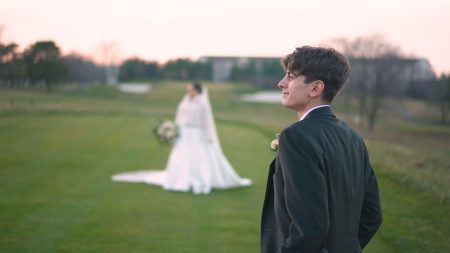
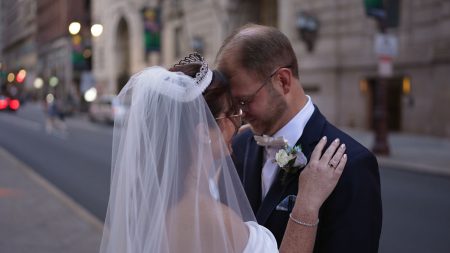
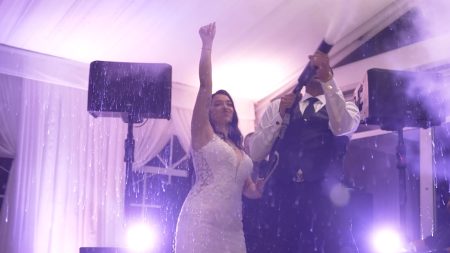
Wedding film editing styles fall into a few recognisable approaches, and the one you choose shapes everything that follows — the length, the pacing, the grade, and the feeling a couple is left with. The footage can be the same; the style decides whether it becomes a faithful record, a heightened film, or something between the two. Here are the main wedding film editing styles and who each one suits.
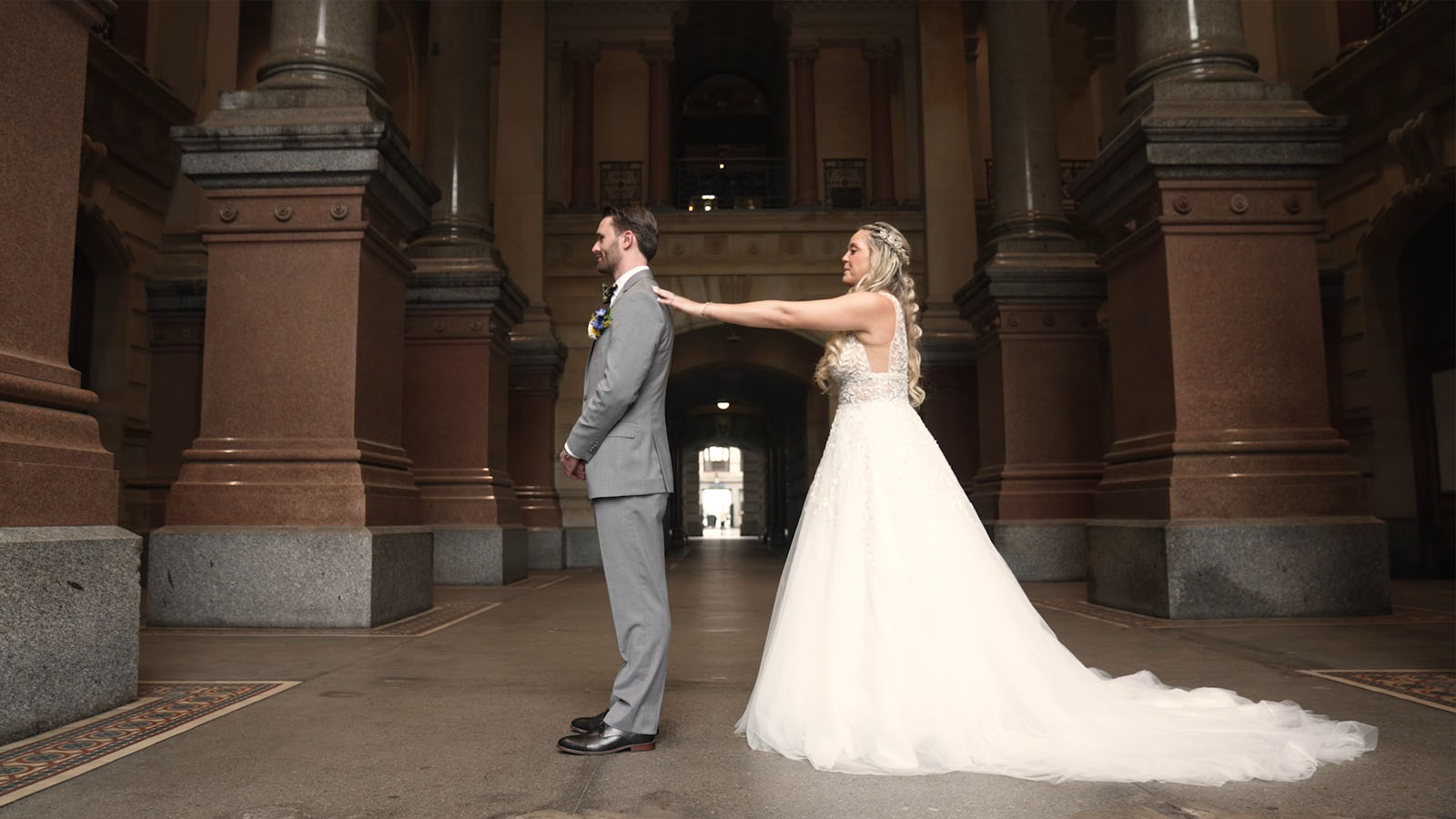
The main wedding film editing styles
Three approaches cover most of what studios deliver. The documentary style keeps the day whole and in order. The cinematic style shapes it into a heightened, story-led film. The hybrid style sits between them, taking the honesty of one and the polish of the other. Most wedding film editing styles are a variation on these three, and most couples want some blend of them.
Documentary style
A documentary edit preserves the wedding as it happened — the full ceremony, the speeches, the day in sequence, with clean audio and a natural grade. Nothing is heightened for effect; the value is completeness. It is the version a couple returns to years later to relive the whole day, and the style to choose when the record matters more than the spectacle. It asks little of the footage beyond honesty, and it rewards couples who would rather have everything than only the highlights.
Cinematic style
A cinematic edit treats the day like a short film. It is shorter, story-led, and graded for mood, built from the moments that carry the most feeling rather than every moment in order. The editing choices — structure, pacing, music, grade — do the heavy lifting. It is the version made to move a viewer and to be shared. It asks more of the editor, because every choice about what to leave out has to earn itself, but it is the style most people picture when they imagine a wedding film.
Hybrid style
The hybrid is the most popular of the wedding film editing styles, because it refuses the trade-off. It opens with a cinematic highlight, then settles into a fuller documentary record — or grades a documentary edit with cinematic care. Couples get the keepsake and the film in one, which is why most studios deliver some version of a hybrid by default. The art is in the balance — enough cinema to move a viewer, enough record to satisfy the family — and getting that balance right is what separates a considered hybrid from a compromise.
Which style suits which couple
Choose documentary when the complete record matters most; cinematic when emotion and shareability lead; hybrid when a couple wants both. The honest answer is that the right wedding film editing styles depend on what a couple will want to watch in five years, not only on the wedding day — and a good studio will ask before it cuts. There is no wrong answer, only a wrong fit, and the conversation about style is worth having early.
Style is decided in the edit
Whatever the style, it is set in post, not on the day. The same footage can become any of these wedding film editing styles depending on how it is structured, paced, and graded. It is why the edit, not the camera, defines the film — and why choosing a style is really a conversation about the edit.
In short
Documentary preserves, cinematic heightens, and hybrid blends the two — and the choice is made in the edit, not the camera. For a closer look at the two ends of the spectrum, read cinematic vs documentary wedding film editing, see finished work on our portfolio, or explore a cinematic wedding film and a full wedding documentary.
Looking for a post-production partner?
We edit cinematic wedding films for filmmakers and studios — graded, paced, and delivered in ten days, under your brand.