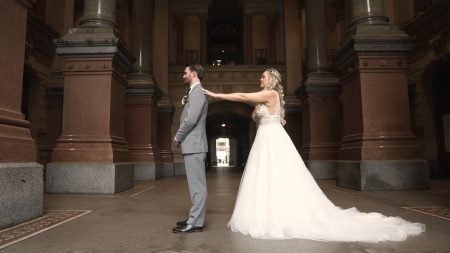
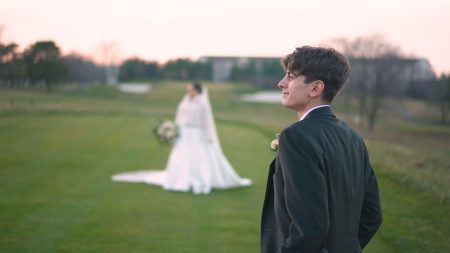
The cinematic wedding film look is made far more in post than on the day. Two editors handed the same footage will return two completely different films, and the difference is almost entirely in the grade, the contrast, the framing, and the pace — the choices made in the edit. Here is where that cinematic quality actually comes from, once the cameras are switched off.
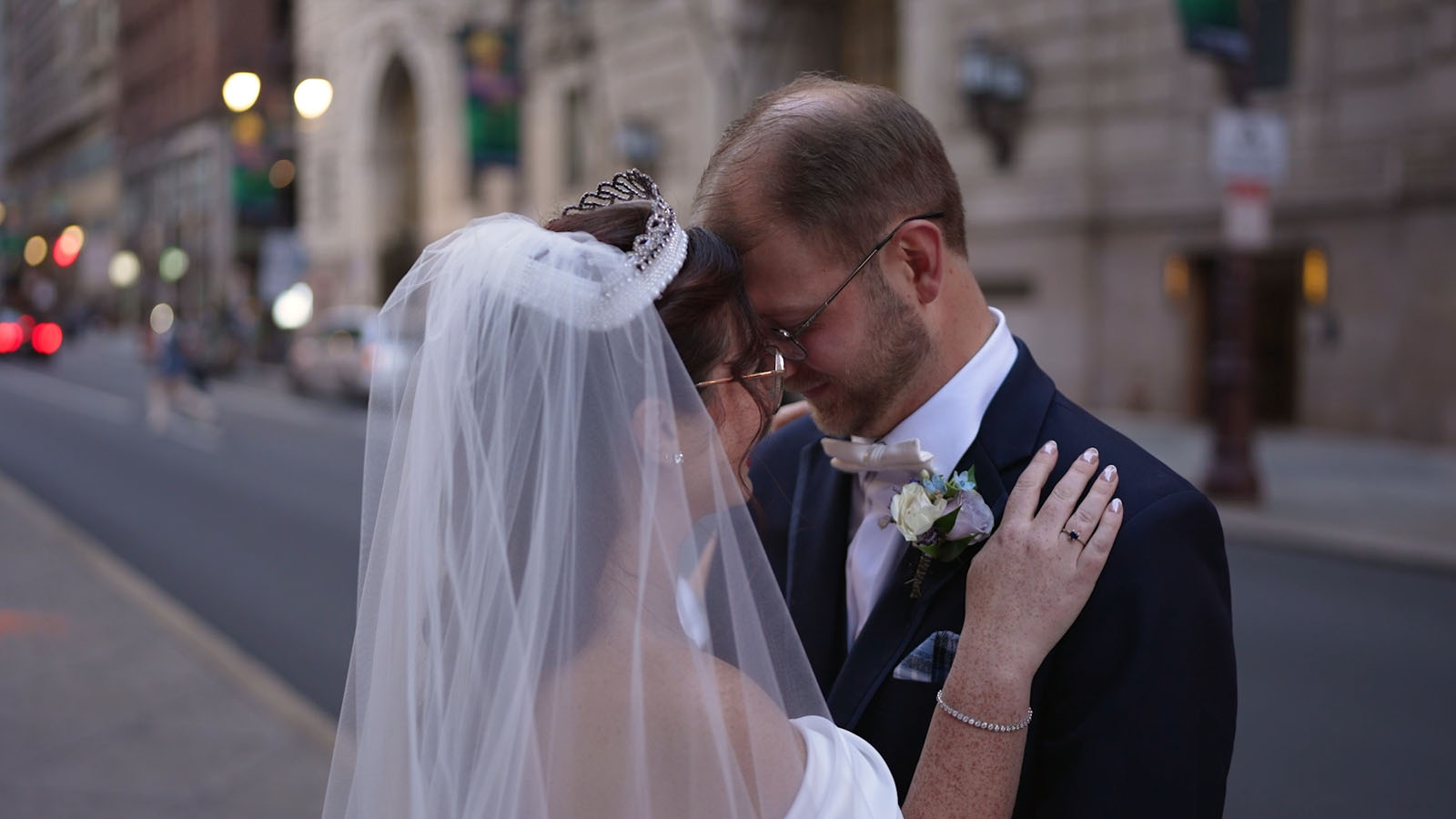
Where the cinematic wedding film look comes from
It is rarely one thing. The cinematic wedding film look is the sum of small, deliberate decisions: a consistent colour grade, controlled contrast, true skin tones, a wider frame, and motion that feels intentional. None of them is a single filter you can drop on top; each is a craft choice, and together they separate a film from footage.
Colour grading does the heavy lifting
Grading is the biggest lever. A cinematic grade balances every shot first — matching cameras and lighting — then shapes a consistent look across the whole film: lifted shadows, gentle highlights, a controlled palette that leans warm or cool with intent. The aim is a look that feels designed, not a heavy preset that dates within a year. Done well, the grade is invisible; you feel the mood without ever noticing the colour.
Contrast and the shape of light
Cinema lives in its contrast. Crushing the blacks slightly and rolling off the highlights gives an image depth and a sense of light shaped on purpose. Flat, evenly exposed footage reads as a recording; controlled contrast — letting some areas fall into shadow — reads as a film. The eye reads that depth as quality, even when it cannot say why.
Skin tones above all
Nothing breaks the cinematic wedding film look faster than skin that has gone orange or grey. A good grade protects skin tones above every other consideration, keeping them natural while the rest of the frame is stylised around them. Couples may not notice good skin tones, but they always notice bad ones.
The frame and the crop
A wider aspect ratio — letterboxing a film slightly — instantly signals cinema, because it borrows the shape of the screen. Used with care, it reframes shots for stronger composition and gives the film a deliberate, theatrical feel. Used carelessly, it just crops out heads, so it is a choice made shot by shot.
Motion that feels intentional
Pace is part of the look. Holding a shot a beat longer, easing into a slow-motion moment, cutting on the music rather than the action — these make motion feel composed. A cinematic film breathes; it is never a rush of clips, and it never lingers without reason.
The finishing touches, and restraint
A touch of film grain, a hint of halation around the highlights, a subtle vignette — small finishing layers can add texture and warmth. The key word is subtle. The cinematic wedding film look is undone the moment the effects announce themselves; restraint is what separates a graded film from an over-processed one.
The look is a choice, not a filter
None of this is a one-click preset. The cinematic wedding film look is built decision by decision in the edit, in service of the story rather than for its own sake. It is why the same wedding can look like a home video or a film, depending entirely on who shapes it after the day.
In short
Grade for consistency, protect skin tones, control contrast, frame with intent, and keep every effect restrained — and footage starts to feel like film. To see these choices in finished work, look through our portfolio, or read more on what makes a wedding film cinematic and cinematic vs documentary editing.
Looking for a post-production partner?
We edit cinematic wedding films for filmmakers and studios — graded, paced, and delivered in ten days, under your brand.