Most wedding footage is shot horizontal, and most reels are vertical — and bridging the two is its own small craft. Wedding reel reframing is how a 16:9 film becomes a 9:16 reel without losing what made the shot work. Done carelessly, it crops out heads and halves the composition; done well, the vertical cut looks as though it was framed for the phone all along. Here is how it is done.
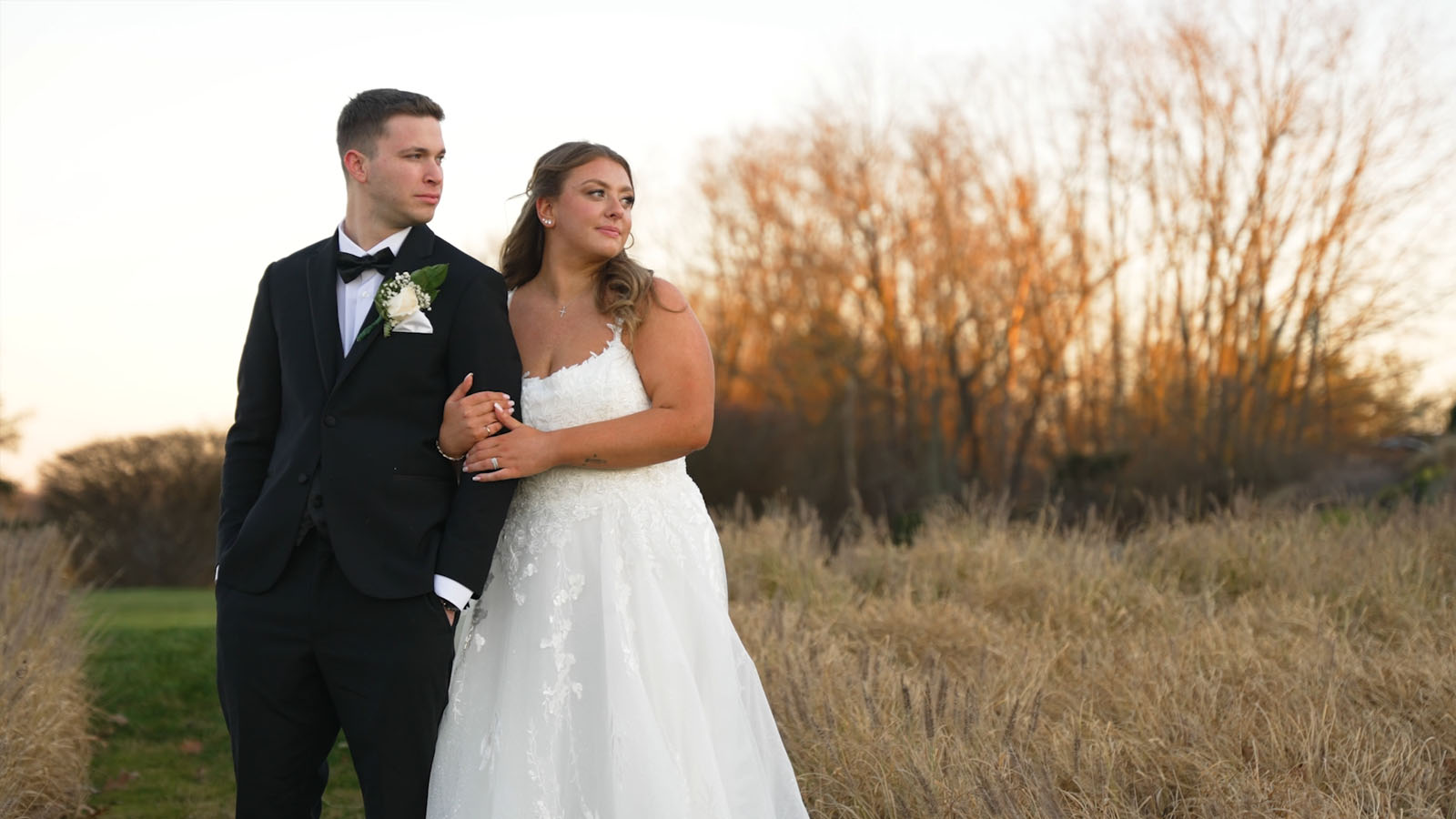
What wedding reel reframing is
Wedding reel reframing is the process of repositioning a horizontal shot inside a vertical frame — choosing, for each moment, which part of the wider image the vertical reel should hold. Because a 9:16 frame is far narrower than 16:9, a great deal of the original image falls outside it. Reframing decides what stays, what goes, and how the frame moves to follow the action.
Reframing is not cropping
The difference matters. A crop fixes the vertical window in the centre and leaves it there; whatever wanders out of that strip is simply lost. Reframing treats the position as a creative choice, set shot by shot — sometimes left, sometimes right, sometimes moving across the frame as the subject does. A crop is automatic; wedding reel reframing is composed.
Move the frame to follow the action
The strongest reframes are not static. When a couple walks, the vertical frame moves with them, keeping them well composed the way an operator would have, had they shot vertically. Subtle moves — a slow pan to hold a face, a reposition as someone turns — keep the reel feeling alive rather than like a fixed window onto a wider shot. This is where wedding reel reframing becomes craft: keyframed by hand, moment by moment.
What survives the crop, and what does not
Some shots reframe beautifully; others fight it. A close-up or a single subject sits naturally in a vertical frame. A wide of the whole party, or two people far apart, rarely does — there is no vertical window that holds both. Knowing which shots will survive an aspect-ratio change, and which to leave out of the reel, is half the skill.
Shooting with reframing in mind
The easiest reframes are the ones the camera made room for. Filmmakers who know a reel is coming leave a little headroom, keep the key action toward the centre, and avoid placing two essential elements at opposite edges. None of it changes the horizontal film; it simply gives the editor room to find a strong vertical inside it later.
When to reframe, and when not to
Reframing has limits. When a shot cannot hold its subject vertically, forcing it does the reel no favours — better to cut to a shot that works than to butcher one that does not. The best reels are reframed where wedding reel reframing serves them and skipped where it does not, rather than reframed at all costs.
Done well, it disappears
The mark of good wedding reel reframing is that no one notices it. The vertical reel simply looks composed, as though the day had been shot for the phone. The work of repositioning, following, and choosing is invisible — which is exactly the point, because the moment a reframe announces itself, the spell breaks.
In short
Compose rather than crop, move the frame to follow the action, reframe the shots that suit it and skip the ones that do not — and a vertical reel looks made for the phone. Reframing is one part of the wider craft: see the full wedding reels editing service, the wedding reels editing tips behind each cut, or our Instagram Reels Pack, and finished work on the portfolio.
Looking for a post-production partner?
We edit cinematic wedding films for filmmakers and studios — graded, paced, and delivered in ten days, under your brand.